Chris WildGarden Design

Gardens

Built work, photographed as it stands.

Every photograph on this page is Chris's own, from gardens he has designed. Commissions have taken him to Tonbridge, Hadlow, Otford, Tatsfield and into South London, as well as around Royal Tunbridge Wells itself.

Long garden · axis and destination

A long garden given a route and a reason to walk it.

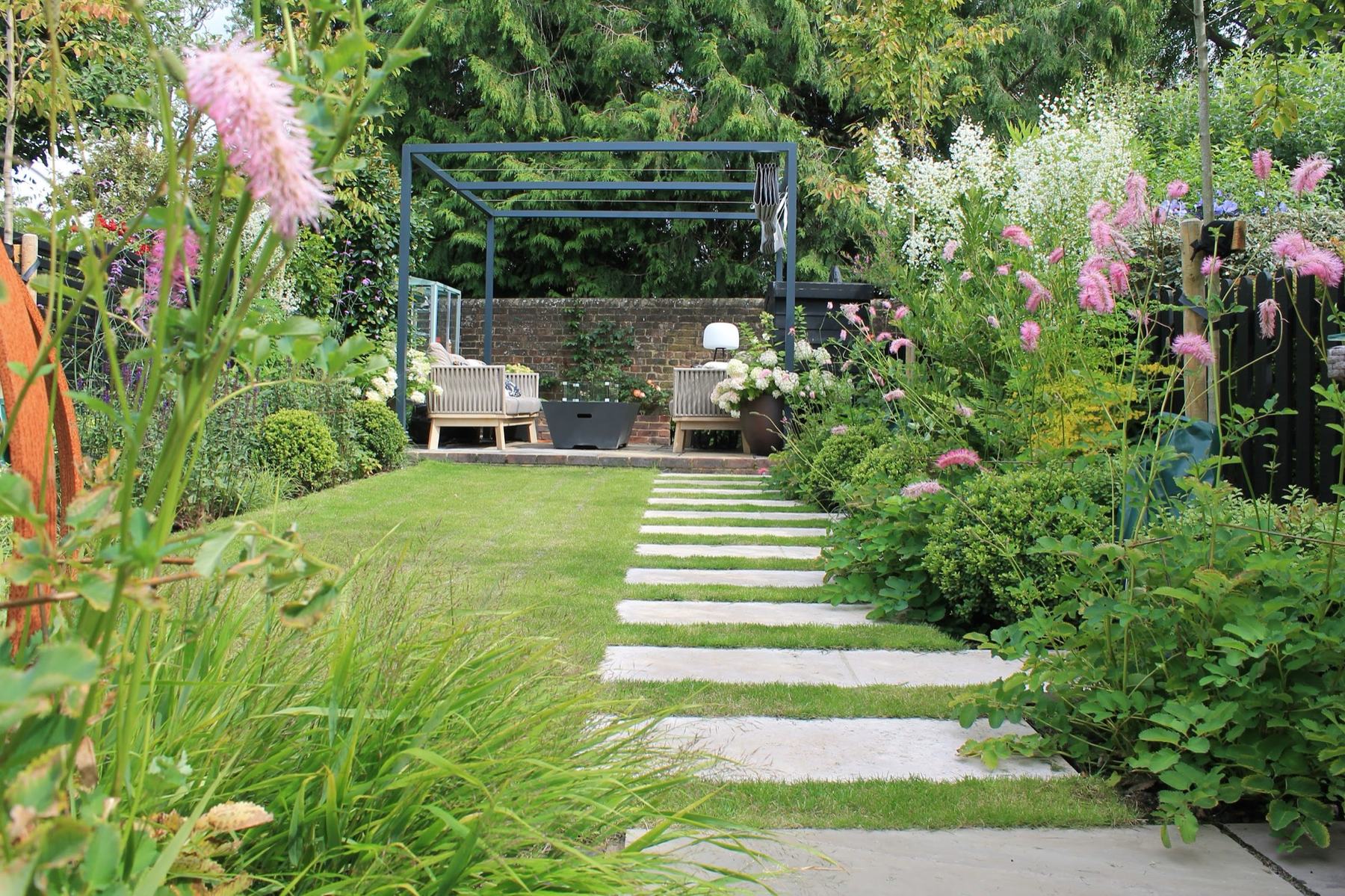
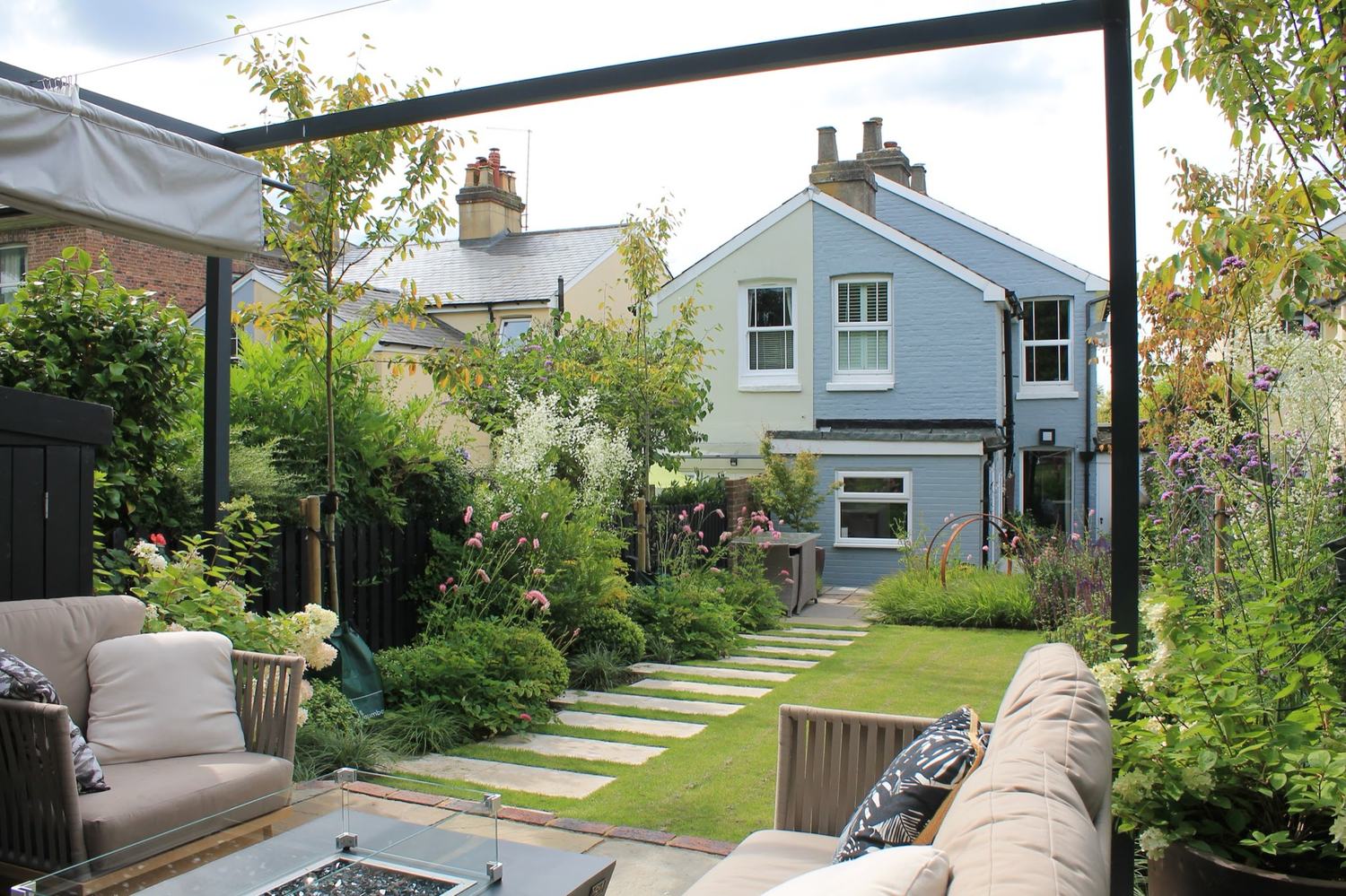
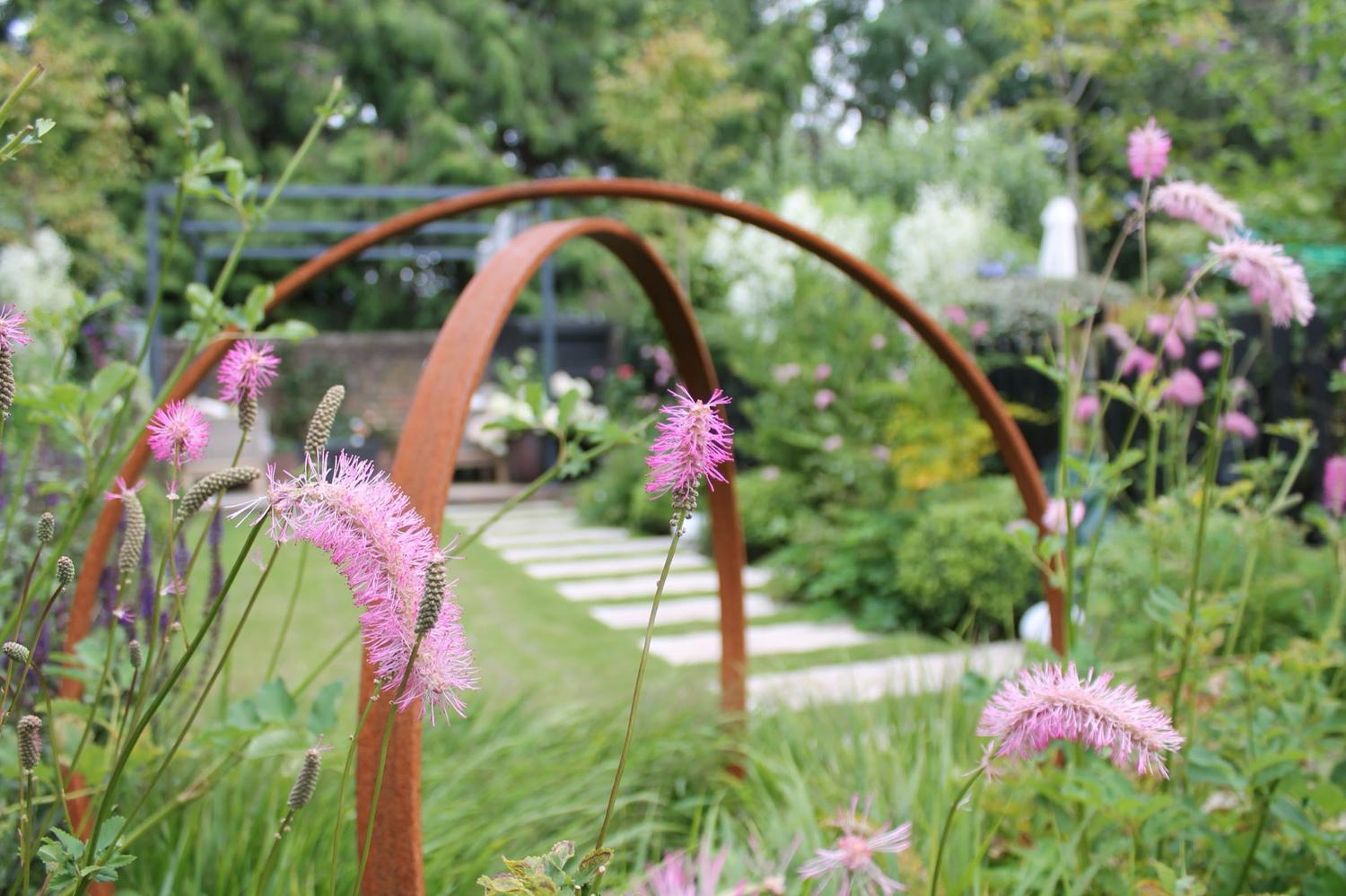
A steel pergola set at the far end of a long garden, reached by rectangular stepping stones laid through the lawn. Borders of grasses, persicaria and hydrangea narrow the view and pull the eye to the seating at the top.

It is a fair illustration of how the layout stage works: a destination at the far end so the garden is crossed rather than looked at, stepping stones setting the pace, and borders narrowing the view so a long, thin plot reads as a sequence of spaces instead of a corridor.

The rest of the gallery.

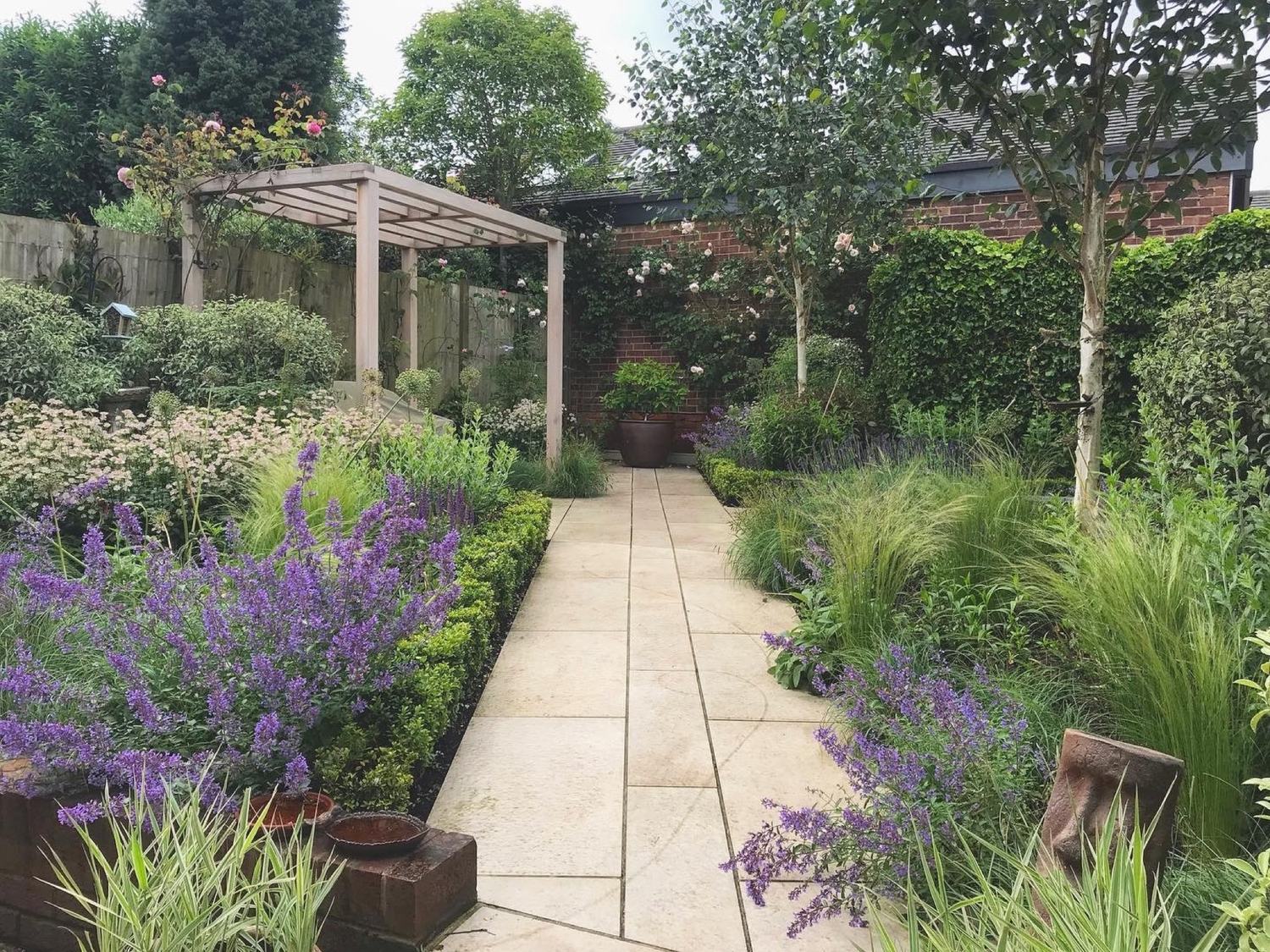
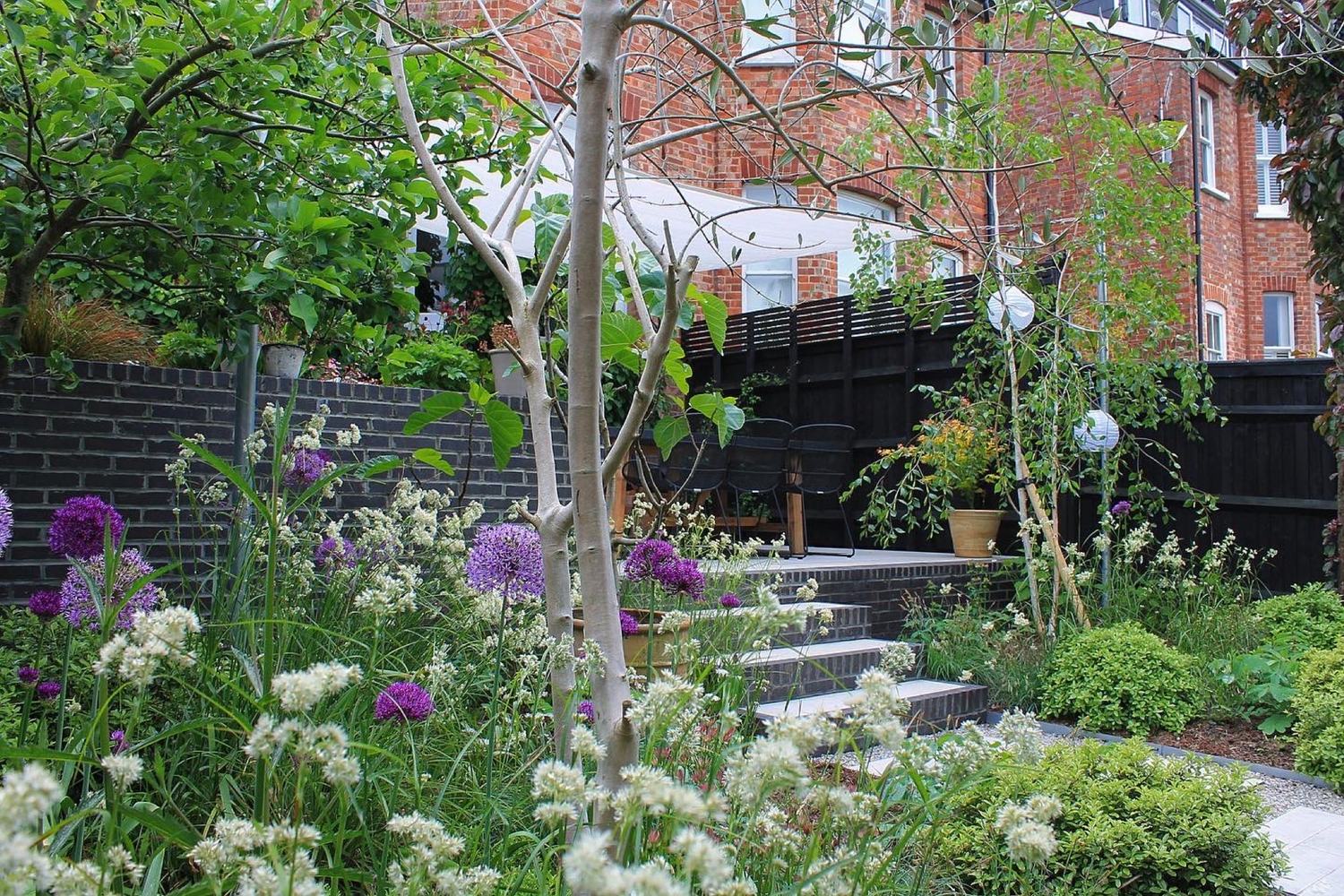
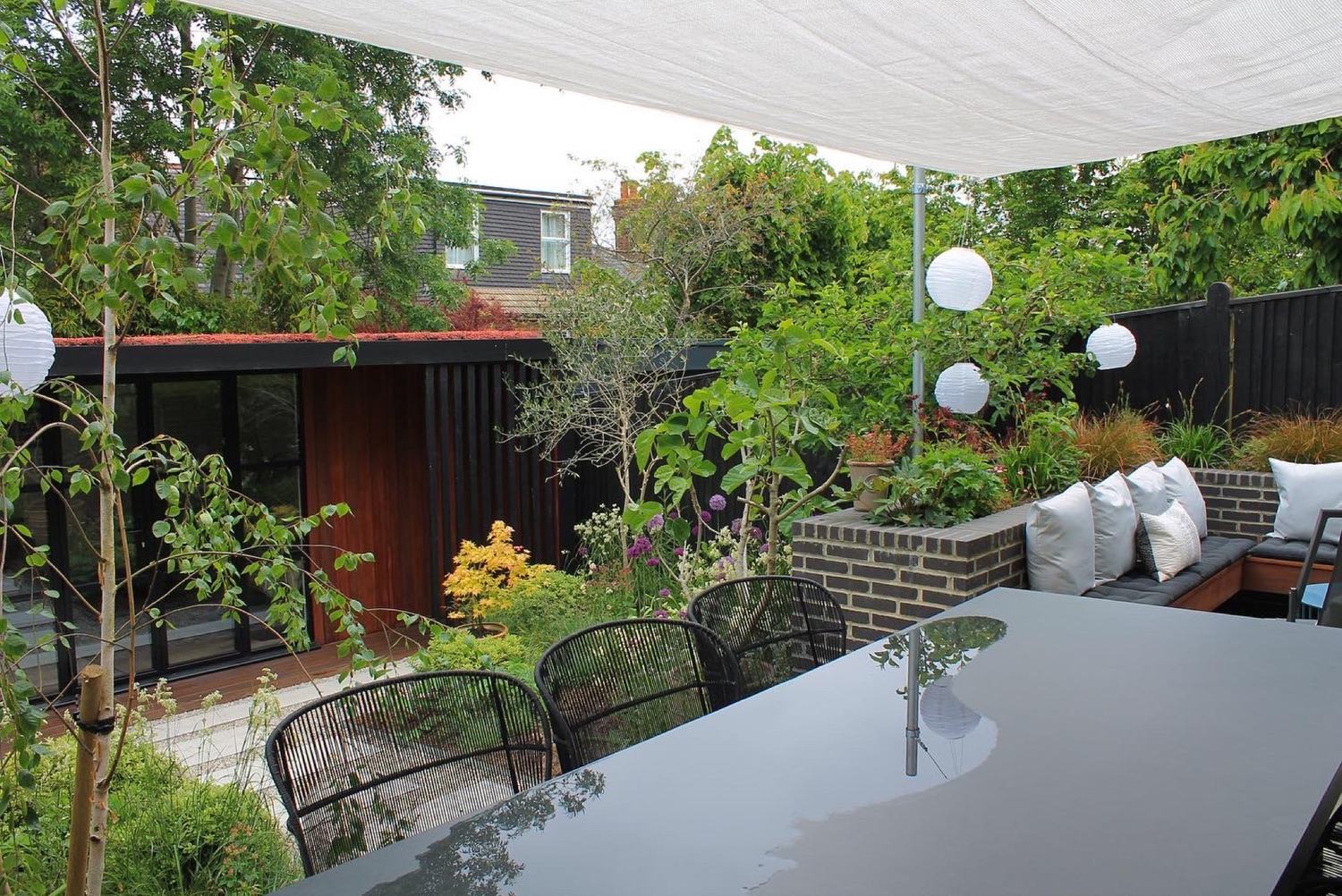
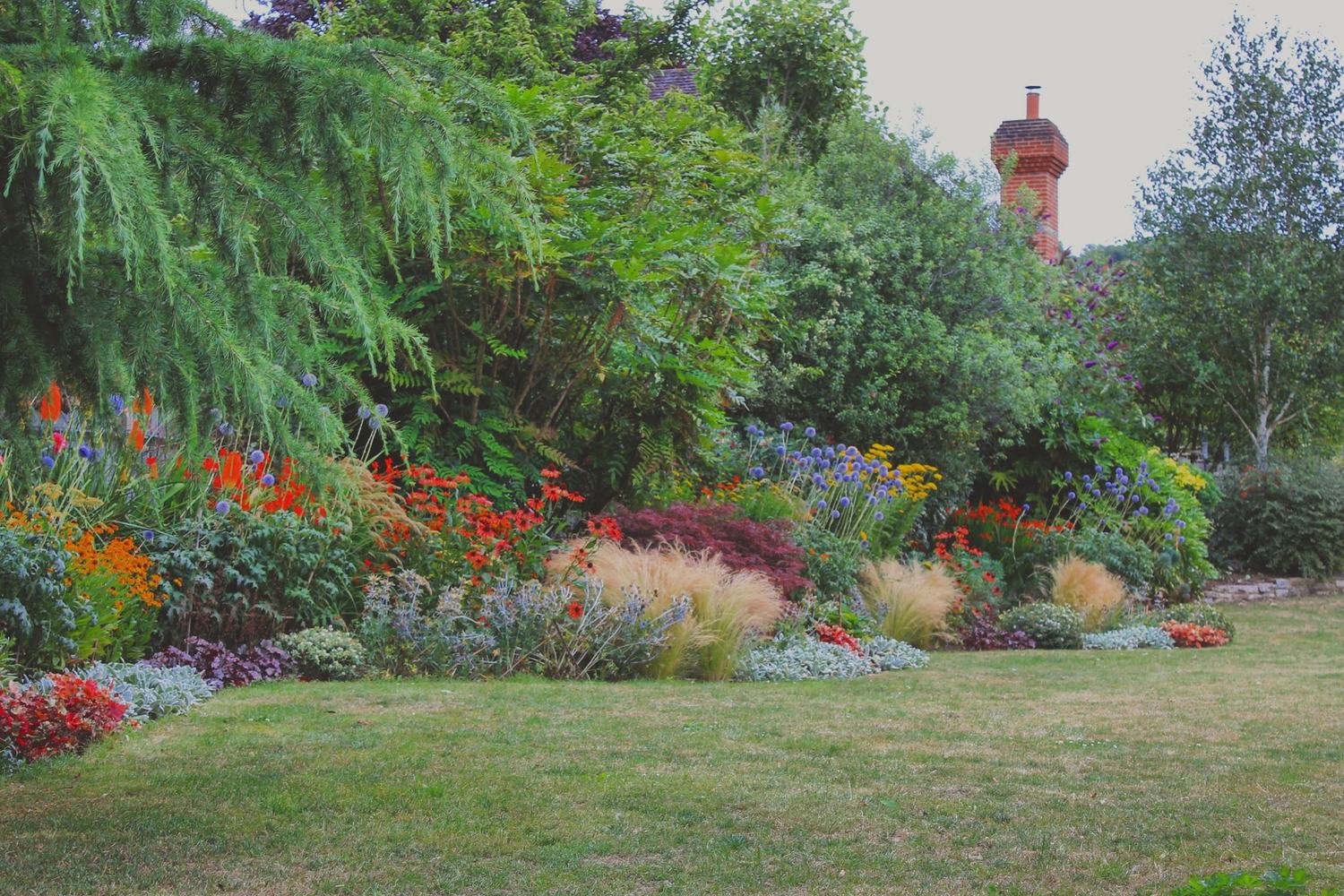
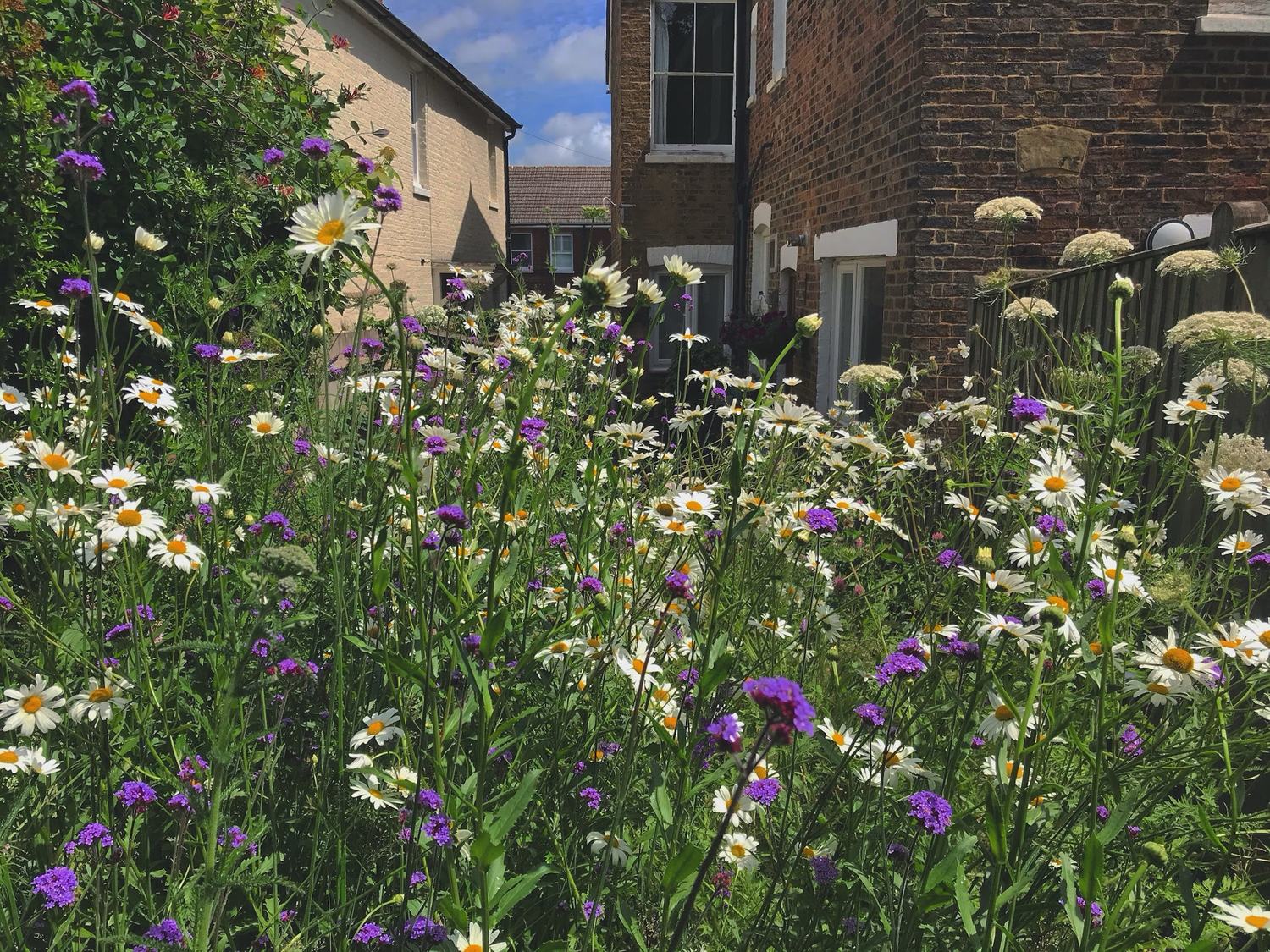
Terracing and level changes, dining terraces, structure planting, mixed borders and meadow planting — all from gardens Chris has designed.

Photographs published by Chris Wild Garden Design. Captions describe what is in the picture; no client detail is given.

The approach

What every one of them has in common.

Ground first

Survey before style

Soil, levels, drainage and aspect are settled before a single line is drawn. It is unglamorous and it is the reason a scheme still looks composed in its fifth year rather than its first. A garden designed on assumptions gets rebuilt; a garden designed on measurements gets enjoyed.

Structure

February is the test

Any garden looks generous in June. The real measure is what you can see from the kitchen window in February — evergreen structure, considered shapes, bark and stems and seedheads doing the work. Structure goes on the plan before anything that flowers.

Movement

Design the route, not just the view

How you cross a garden decides how much of it you use. Stepping stones through lawn, a path that sets a pace, a terrace placed where the evening light actually falls — these are layout decisions, and they matter more than the plant list to how often the back door gets opened.

Planting

Repeat rather than collect

Three of something used five times down a border reads as a scheme. One of everything reads as a collection: interesting close up, restless from the house. A planting plan sets species, quantities and spacings so a border can be sourced and priced as a list rather than bought in a panic on a Saturday.

Buildability

Drawn so it can actually be built

A master plan that a contractor can price and set out is worth more than a beautiful sketch that has to be interpreted. Construction plans and elevations exist so that decisions are made on the drawing board, not improvised on site with a digger idling.

One pair of hands

The same person, start to finish

There is no studio to be passed around. The designer who walks your garden is the one who surveys it, draws the concept, writes the planting plan and coordinates the build. Small practice, single thread — and a client who always knows who to ring.

What's your garden's catch?

A slope, heavy clay, deep shade, an awkward boundary, a view you want to keep — the constraint is usually where the design starts. Rated 5.0 on Google.